Smith Creek Fish Farm

Home Page | Fish Prices | Pond Packages | How To Stock | Kasco Fountains & Aerators | Pond Dye and Bio Treatment | Pond Plants | Pond Management Services | Grass Carp and Permit Application | Native Aquarium Fish Packages | Shipping & Deliveries | Pictures and Pond Blog | Site Map | Links and Forums

Fish Prices

Sizes are approximate - All sizes not always available
Please call or Email for availability

BRIEF DESCRIPTIONS OF LIVESTOCK BELOW PRICE CHART
PLEASE CALL OR EMAIL WITH QUESTIONS.
WE ARE HERE TO HELP YOU DESIGN THE BEST STOCKING PROGRAM FOR YOUR SITUATION
PRICES SUBJECT TO CHANGE WITHOUT NOTICE
MINIMUM OF 25 PER SPECIES FOR LISTED PRICE

Species

1"-2"

3"-4"

4"-5"

6"+

Bluegill

12a.jpg

$1.00 ea.
100/$89.00

$2.25 ea.

$4.00 ea.

$5.50 ea.

Pumpkinseed

pumpkinseed.jpg

$1.00 ea.
100/$89.00

$2.25 ea.

$4.00 ea.

$6.00 ea.

Green sunfish

greensun.jpg

$1.00 ea.
100/$89.00

$2.25 ea.

$4.00 ea.

$6.00 ea.

Yellow Perch

50a.jpg

$1.00 ea.
100/$95.00

$2.25 ea.

$3.50 ea.

$5.00 ea.

Fathead Minnow

557a.jpg

1000/$85.00
100/$12.00

$18 per pound up to 5
$15 per pound 6 to 10
over 10     CALL

N/A

Free Bag of Minnow booster with every 1000

Rosy Red Minnow

rosy.jpg

1000/$125.00
100/$20.00

Special!!
Fathead & Rosy Mix
1000/$99.00

N/A

Free Bag of Minnow booster with every 1000

Shiner Minnow

28a.jpg

N/A

100/$30 aprox. 1 pound
5 pounds or more $25/pound

N/A

N/A

Black Crappie

crappie.jpg

$1.15 ea.
100/$105.00

$2.25 ea.

$4.00 ea.

$6.00 ea.

Channel Catfish

29a.jpg

N/A

$1.75 ea.

$2.25

$2.25 ea.
Larger Sizes
Call

Large Mouth Bass

4a.jpg

$1.25 ea.
100/$115.00

$2.25 ea.
100/$200.00
Feed Trained

$4.00 ea.
Feed Trained

$6.00 ea.
Feed Trained

Bullhead Catfish

bullhead.jpg

$1.00 ea.
50/$45.00

$1.75 ea.

$2.75 ea.

$4.00 ea.

Trout

46a.jpg
 

$.60/inch
100 to 499 $.55 per inch
500 to 999 $.50 per inch


Call for available sizes.

Walleye

walleye.jpg
 

Available late fall
Call for special order


Goldfish

goldfish.jpg

N/A

$3.00 ea.

$4.00 ea.

$5.00 ea.

Koi

koi1.jpg

N/A

$5.00 ea.

$8.00 ea.

$12.00 ea.
Larger Fish Priced Individualy

Grass Carp (triploid)

24a.jpg

N/A

N/A

N/A

$16.00 ea. 10-12 inch
$19.00 ea. 12-16 inch
    When Available
Large orders CALL

Bullfrog Tadpole

42a.jpg

N/A

$1.00 ea.
100/$75.00
Wholesale Pricing
Call

N/A

N/A

Asst. Pond Snails

pondsnail.jpg

50/$30.00

N/A

N/A

N/A

Giant Trapdoor Snails

44a.jpg

Actual size!

$1.00 ea.
100/$75.00
Wholesale Pricing
Call

N/A

N/A

N/A

Crayfish

crayrt.jpg

N/A

100/$25.00
1000/$225.00

N/A

N/A

Daphnia

daphnia.jpg

$27.00 Per Quart

N/A

N/A

N/A

40% Protein Feed

fishfood.jpg

5# Bag Feed
$5.00

1O POUND BOX
$25.00
FREE SHIPPING

16 POUND BOX
$31.00
FREE SHIPPING!!

3-10 Kilo Bags
(66 Pounds)
$60.00

Minnow Booster

minnowbooster.jpg

5# Bag
$3.00

25# bag/$12.00 ea.

3-25# Bags/$11.00 ea


Predator Control
Heron Decoy

webassets/heron.gif

Protect Your Valuable
 Koi and Game Fish
30" Tall with Legs
&
Stake for Secure Placement
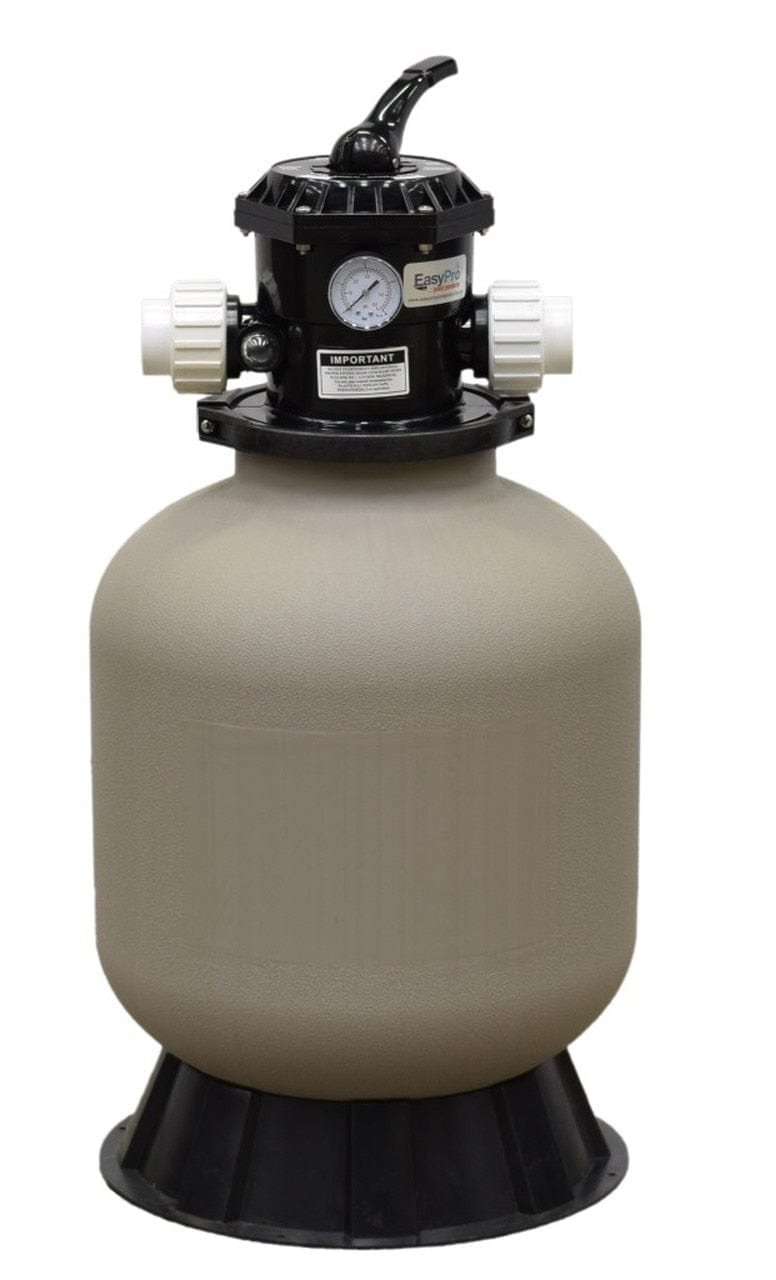
$39.00

     
Show a print version

CLICK HERE FOR SHIPPING AND DELIVERIES
* $1.00 bag and oxygen good for 6 hours or more if needed.
 *Recommended you bring storage totes or boxes to hold bags while transporting fish.
* Please allow 1-2 days for fish to be collected before pick-up. Sometimes fish are available same day.
* We will do our best to accommodate your schedule.

12a.jpg

The bluegill can be found in abundance in North American waters. It can be caught easily and is excellent tablefare. It's commonly found around structures such as brush piles and weed beds, where it feeds almost exclusively on insects. It will readily take to a commercial fish food, which will enhance growth rates. Bluegill can be distinguished from other sunfish by the presence of a small mouth, long, pointed pectoral fins, and a dark spot on the dorsal fin.

Bluegill begin to spawn in late spring and continue throughout the summer. The prolific reproductive habits of the bluegill make it the primary forage fish for predators such as the largemouth bass. One year old fish range in size from 1 to 4 inches and become sexually mature at 4 to 5 inches.


pumpkinseed.jpg

The pumpkinseed, like other sunfishes, is very popular with anglers. The fish is often the first one caught by young anglers. The fish is considered to be a fine food fish although it is less prized than the bluegill. Pumpkinseeds feed all day and can be caught with live bait or with small lures. They actively fight the line as they are reeled in. This species is regarded as a panfish due to its size and edibility.

greensun.jpg

The green sunfish prefers vegetated areas in sluggish backwaters, lakes, and ponds. Its diet can include insects, zooplankton, and other small invertebrates.

A panfish popular with anglers, the green sunfish is also kept as an aquarium fish by hobbyists. Green sunfish can be caught with live bait such as nightcrawlers, waxworms, and mealworms. Grocery store baits such as pieces of hot dog or corn kernels can even catch fish. Small lures will also catch green sunfish sometimes.


50a.jpg

The yellow perch should be stocked in lakes and ponds where the water temperatures remain below 80 degrees year-round. Yellow perch feed on zooplankton, insects, snails, and other small fish. It is considered prey rather than a predator. Although it does not achieve a large enough size to be considered a prize gamefish, the yellow perch is most sought after for its excellent tablefare.

One-year-old fish range in size from 1½ inches to 4 inches, and will become sexually mature at 5 to 7 inches. The yellow perch makes an excellent forage fish for cool-water predators such as walleye, smallmouth bass, and northern pike.

557a.jpg

The fathead minnow is found throughout the United States. Its small size and abundant reproduction makes it an excellent forage fish. The fathead minnow will spawn throughout spring and early summer. Reproduction can be aided with the use of sunken ever-greentrees or stacked pallets. The rapid rate of reproduction of this species makes it an excellent choice for stocking where pred-atory fish are present. One year old fish range in size from 0.5 inch to 3 inches. They become sexually mature at 1 to 3 inches and seldom exceed 3 inches.

rosy.jpg

The Rosy Red Minnow  is a color variation of a fat head minnow.  Rosy reds are easy to see because of their pale orange color.  Rosy reds are useful as an indicator fish.  When you start to see fewer rosy reds it is time to re-stock forage fish.

28a.jpg

The golden shiner can be found throughout most of the US. Much like the fathead minnow, the golden shiner exhibits abundant reproduction. Unfortunately, this species is slightly less tolerant of extreme environmental conditions. These fish can be found in large schools around submerged structures where they primarily feed on zooplankton.

The golden shiner spawns several times throughout spring and summer. Spawning can be aided with the use of structures such as sunken evergreens or stacked pallets. The abundant reproduction of this fish makes it an excellent choice for stocking where predatory species are present. These fish are slightly larger than fathead minnows and are preferred by large predators.

crappie.jpg

The black crappie is a member of the sunfish family, although it does not play the role typical of the bluegill. The crappie acts more like a predator than prey. It feeds mainly on minnows and other small fish and must be managed accordingly. Crappie often overpopulate in ponds less than 2 acres. However, with the addition of submerged structures and other predators such as large mouth bass, and an annual stocking of minnows in the spring and fall, crappie can be successfully managed in smaller ponds.

There are two species of crappie: black and white. The black crappie can be differentiated from white crappie by the number of stiff spines on the dorsal fin. Black crappie have seven or eight bony spines while white crappie only have five or six. White crappie should not be stocked in small lakes or ponds due to their excessive reproductive rate. Black crappie spawn in early spring in 4 to 8 feet of water. Yearling fish will range in size from 3 to 6 inches, depending on the food supply. Stocking along with large mouth bass often control black crappie populations and help grow trophy bass.  Black crappie become sexually mature at 5 to 8 inches.

29a.jpg

The channel catfish is most commonly found around the bottom of a lake or pond. It is a scavenger and will eat just about anything it can find. It will eat live fish, although it is not considered to be a predator. It generally has little effect on the predator/prey roles except where exceptionally large fish are found. It will take to commercial fish food and has tremendous growth potential.

The channel catfish is growing in popularity among sport fishermen due to its large size, hard fighting ability, and its tasty flesh. The channel catfish can be distinguished from other catfish by the presence of dark spots on its body and a deeply forked tail. Channel catfish do not generally reproduce in ponds due to the absence of an adequate spawning structure. A suitable structure can be added by placing buckets or drain tile in depths of 3 to 4 feet of water along the pond bottom. One year old fish may range in size from 3 to 8 inches. Channel catfish usually become sexually mature when they reach at least 11 inches.

bullhead.jpg

The Bullhead catfish is seldom caught for sport. The flesh of the black bullhead is pale in coloration,and has a good flavor, but it may be soft in summer. The black bullhead is one of several catfish informally referred to as mud catfish. They are not caught often, and usually it is by accident. They have been introduced in many areas of the US because of their ability to survive (and even thrive) in less than ideal conditions.

Bullhead can be caught using similar techniques as Channel or Blue catfish, although their small size may require smaller bait and hooks. Cut bait, "stink" baits, small crayfish, worms and leeches can be used to catch these fish. Like most catfish, they are most active during the night and tend to be less active and bed under piers or in shady shore areas during the day.


4a.jpg

The largemouth bass is considered to be one of the most prized gamefish in North America. It will readily take many types of live and artificial baits.  Bass are usually found around structures such as brush piles and weed beds. It has a widely varied diet that emphasizes on bluegill, minnows, crayfish and other small fish. Its predatory nature helps to keep bluegill from overpopulating.

The largemouth bass is similar to the spotted bass and small-mouth bass. It can be distinguished by the deep curvature of its dorsal fin. Bass spawn in depths of 2 to 4 feet of water at temperatures near 62 degrees. One year old fish range in size from 3 to 7 inches. Bass become sexually mature at 10 to 12 inches and may weigh 7 ounces to 1 pound.

46a.jpg

Trout are cool-water fish and live in waters that remain below 72 degrees within 4 feet of the surface year round. Lakes or ponds that are spring fed may be able to sustain large populations of these fish. If your pond does not meet these requirements, you may stock rainbow trout in fall and harvest by late spring. Call us to discuss which options might suit your pond or lake.

The rainbow trout is a hardy fish and an aggressive eater, so a large forage base should be established before or during stocking. However, this species readily takes to commercial fish food, making its diet easy to supplement. The pelletized food can be fed through the winter, as the trout will continue to feed and grow in these cooler temperatures. This activity will also provide the angler fishing opportunities in the off season. Spawning occurs in early spring on gravel beds of inlet streams. Without these tributaries, spawning is rare.

goldfish.jpg

The goldfish originated in China. Known for its brilliant red color, often contrasted against white, this goldfish is another favorite among pond enthusiasts. As with other goldfish, sarassa comets lack the barbells that are seen with Japanese koi. These fish also do not display markings at the base of each scale. At a maximum length of 14", it is important to stock the appropriate number of fish to maintain healthy pond water quality.

3koi.jpg

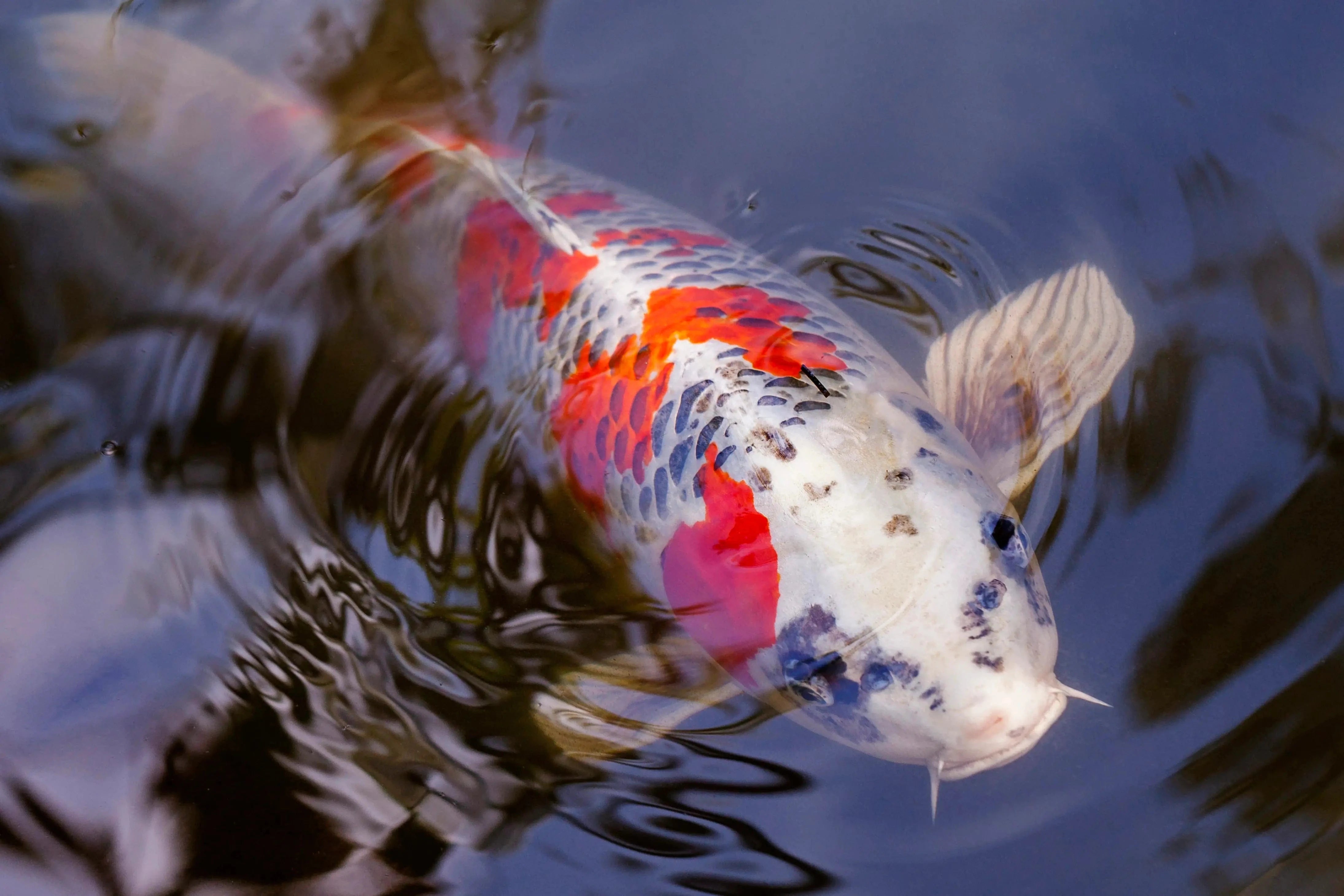
Koi are descendants of the minnow family. They have been selectively bred for more than 1000 years to produce the brilliant colorations that we have today. The Japanese cherish these fish for their colors and longevity. Prize koi are quite valuable and have been sold in Japan for more than $1 million. These brightly colored fish make an excellent attraction for any water feature; a garden pond just wouldn't be complete without koi. We carry many sizes and varieties from which to choose. They may range in size from a few inches up to 3 feet. Koi are great at eating fillamentous algae and some submerged plants making them a great compliment to grass carp.  Koi become almost "dog tame" and will feed from your hand with minimal training.  Larger koi live well with large mouth bass and other game fish. 12" plus koi are available for pickup only. Please call for pricing.

24a.jpg

The grass carp or white amur, a vegetarian, is a natural alternative for aquatic weed control. In many situations, stocking white amur is more cost effective than chemical applications. The amur is a native of China and has been used for more than 700 years to control excessive aquatic weed growth. Grass carp should not be confused with common carp (Cyprinus carpio). The white amur has a silvery green body and no barbels, whereas the common carp is golden yellow and has barbels.

Special precautions should be used when stocking amur. Overflow drain pipes should be protected with bar guards and the use of copper based chemicals should be limited. Since the white amur is sterile and does not feed as heavily after reaching maturity, 20 percent of the original stocking should be added annually to renew the original population over a 5-year period.

Stocking rates for white amur are determined by the amount and type of vegetation present in your pond. Typically, 8 to 30 fish per acre are stocked. The white amur may eat up to three times its body weight per day. One year old grass carp are approximately 12 inches in length and adults may weigh 35 pounds or more.

Pond owners experiencing excessive vegetation are encouraged to call their local DEC to obtain a permit and to consult a fisheries biologist for proper stocking number. 

42a.jpg

Tadpoles are juvenile frogs. They remain as tadpoles for approximately 2 years. By the end of the second growing season, their tails have disappeared and legs have developed. At this point they are considered to be frogs. Tadpoles can be stocked in a lake or pond to aid in the development of the forage base for predatory species such as the largemouth bass.

Tadpoles can also be stocked in your garden pond. They feed primarily on plankton and filimentous algae, which are a major cause of unsightly water problems in garden ponds. Tadpoles may range in size from 2 to 6 inches.

pondsnail.jpg

Snails are an asset in smaller ponds to control algae growth and generally do not eat live plants. Snails help clean up leaves and other organic matter.  In larger ponds they can provide forage for catfish, trout and sunfish.

crayrt.jpg

Crayfish play an important role in ponds, lakes, streams, marshes, etc., by serving as a preferred food item for large preadator fish. Many sportfish (trout, bass, and larger sunfishes) consume large quantities of crayfish. Because crayfish will eat both living and dead plant and animal material, they help to reduce the amount of decaying matter, and thereby improve water quality. Most crayfish are not active predators and have difficulty capturing fast moving animals. Approximately 40 percent of their diet consists of worms and insects inhabiting the bottom muds. The remainder consists of living and decaying aquatic vegetation. In fact, crayfish have been suggested as biological controls for nuisance waterweeds.

daphnia.jpg

Daphnia are small freshwater crustaceans that may also be known as water fleas. They are called this because of their short jerky hopping movement through the water. There are many species of Daphniidae and their distribution is world wide. Of all the species, the genera of Daphnia and Moina are the most diverse, and are a major food source for both young and adult freshwater fish. Stocking daphnia will build your ponds ecosystem from the bottom up.  

ALL LIVESTOCK SHIPPED SAFEST AND CHEAPEST WAY FOR CUSTOMER!

LIVE ARRIVAL GUARANTEED ON OVERNIGHT SHIPPING ONLY!